


PLAYSTATION & LONELINESS: THE HEARTBREAKING REALITY OF AARON WAN-BISSAKA’S EARLY DAYS AT MANCHESTER UNITED

Aaron Wan-Bissaka speaks out: Read about his Man Utd struggles, why he backs Michael Carrick, and his DR Congo World Cup journey.
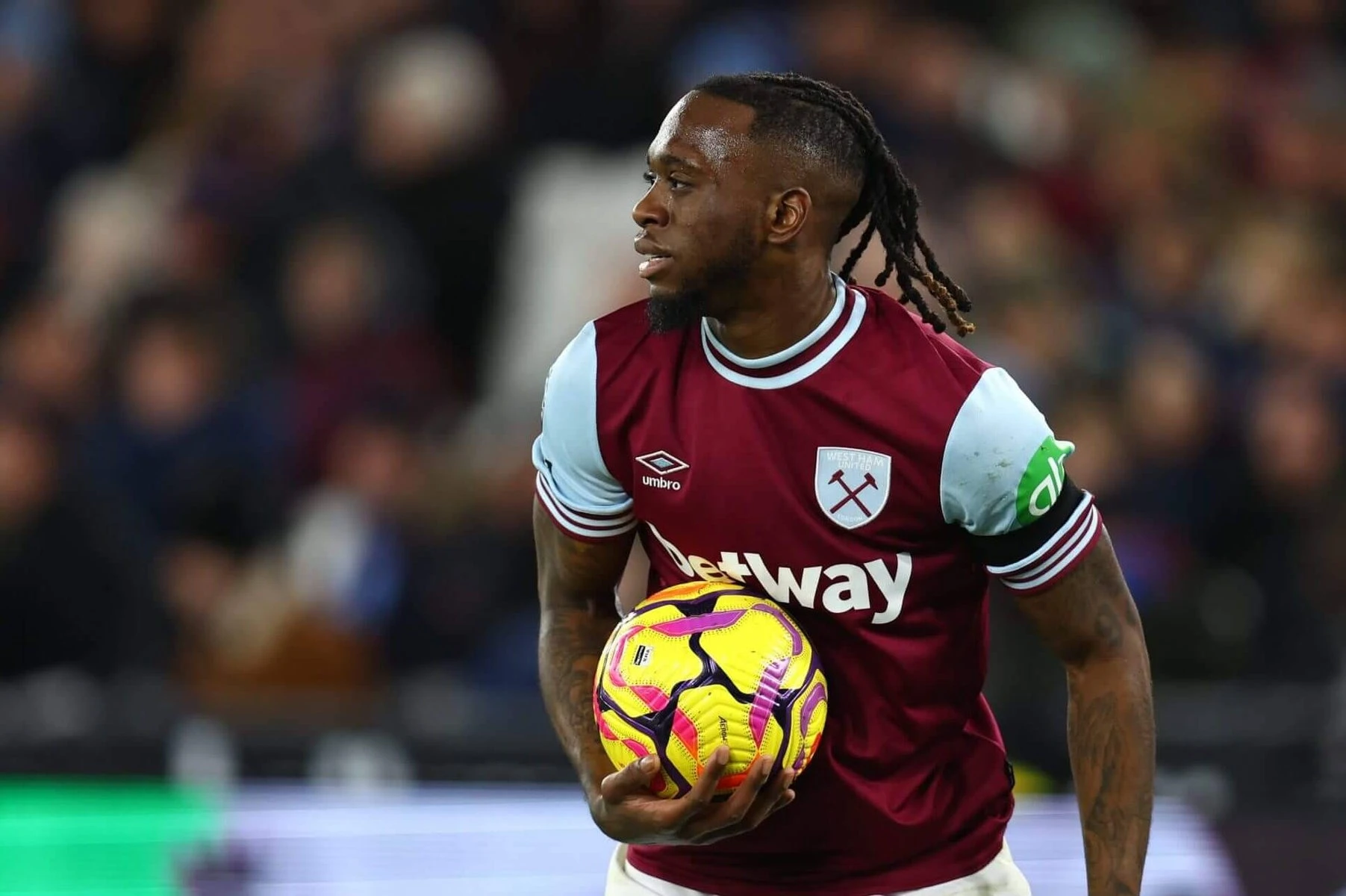
Down in a private cinema room on the ground floor of a slick Canary Wharf apartment block, Aaron Wan-Bissaka gets something footballers rarely do: a little quiet.
It’s his day off. He’s got on a fresh tracksuit, speaks softly, and melts into a big comfy seat, looking just as calm as he does on the pitch. Later, he grins and says his plan is simple: take a nap.
That kind of steady presence has always been Wan-Bissaka’s thing. He’s never chased the spotlight. He’d rather let his football do the talking. Now he’s at West Ham, after learning the ropes at Manchester United, and he’s in a thoughtful mood. He’s looking back at a journey that started on London estates, took him all the way to Old Trafford, and brought him home again.
As he talks, it’s clear this story isn’t just about football. It’s about family, and sacrifice, and the stuff that happens off the pitch. Long before the Premier League lights, Wan-Bissaka learned to play on a patch of grass outside his childhood home.
“I was probably five when I first fell in love with football,” he says. “It was just me and my brother playing around with a ball on the estate. We’d head over to the green across from our house. We called it our Wembley.”
But the idea of going pro didn’t really sink in until he was around sixteen. “That’s when I realised I actually had a shot. That’s when I started taking it seriously, really chasing the dream.”
Wan-Bissaka shows up for this chat with Daily Mail Sport, soft-spoken and thoughtful.
Growing up, like a lot of London kids, he idolised Thierry Henry. “I always wanted to be him,” Wan-Bissaka admits. “Honestly, I used to imagine being him growing up and playing like that. He was my idol. It was his composure. He scored loads of goals, but he also carried the team. He was a leader. My whole family supported Arsenal when I was a kid.”
Funny how things turn out. Now, at 28, Wan-Bissaka is known for being a rock-solid defender: reliable, no-nonsense, and shaped by the grit that comes from family and a pretty tough relationship with his dad.
“I didn’t realise at first how much my parents were giving up for me,” he says. “When I started secondary school, that was the age you wanted new trainers and boots. I could be pretty demanding. But they’d tell me, ‘You have to wait a couple of months.’ That’s when I started to get it. It wasn’t easy for them to buy me the stuff I wanted.
“They both worked cleaning jobs so they could pay for my boots. My dad even got in trouble at work for leaving early to take me to training.”
Wan-Bissaka says his dad, Ambrose, showed his support through discipline, not praise. 'It was hard because we didn't speak the same language well. He didn't speak much English, and my French wasn't great, so we didn't say much,' Wan-Bissaka remembers. He's now played nine games for DR Congo, his father’s home country. Next month, they'll play either New Caledonia or Jamaica in Mexico for a spot in this summer's World Cup.
'We mostly talked about football. He was always pointing out what I could do better. Never any praise. I didn't get it at the time. I wondered why he never praised me. I kept wondering if I was good enough.'
'Even when I scored, he wasn't happy. I wondered if one goal was enough! But as I got older, I understood. He wanted me to push myself to be the best.'
After a smooth start in the Premier League with Crystal Palace, where he was named player of the year in his first full season, he moved to United for £50 million. It was a huge step and a tough time.
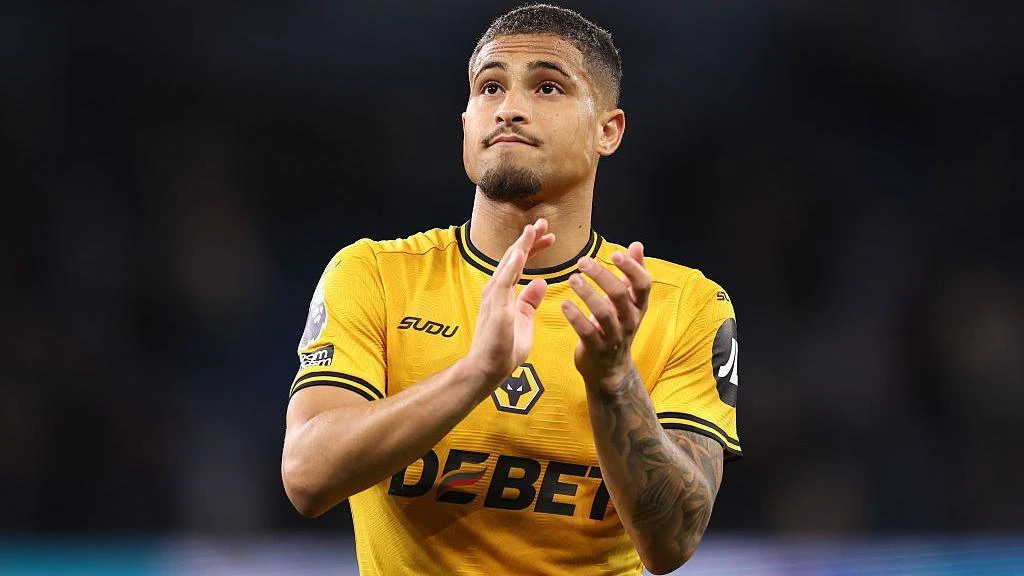
Wan-Bissaka felt homesick after joining Manchester United. 'Most days, I was home alone, playing PlayStation until bedtime,' he says.
He had a good relationship with Ole Gunnar Solskjaer, which helped. 'He’s a good guy, and we got along,' Wan-Bissaka says about his old boss.
'When I moved to the United States, I missed my family and friends,' he says. 'After training, I took the train back to London almost every day. It’s only two hours, but it was tiring, so I had to stop.
'I wasn't used to it. I was comfortable at home in London, with familiar faces and places. It was hard to change everything so fast. I was often home alone, playing PlayStation until bedtime. It was tough, probably the lowest I've felt. '
Wan-Bissaka's big move from Palace in 2019 came with a lot of expectations. He also got his first call-up to the England team, but he couldn't play because of an injury. He quickly became a regular at United, starting more games than anyone else in Europe's top leagues in 2020-21.
His good early relationship with manager Ole Gunnar Solskjaer helped him when he was struggling.
'I got along well with Ole from the start,' he remembers. He’s a great person, and I think the other players felt the same. He supported you right away. Once he told you what to do, it was up to you to trust yourself and do it.'
Later managerial changes, especially under Ralf Rangnick and Erik ten Hag, challenged that security.
'It’s football, and every manager has their favourites,' he says. 'They might like you or not; that's part of the game. When Rangnick came, it wasn't a good time for me, and there was a lot of criticism...
'It was hard when Erik ten Hag came. He told me right away that I wasn’t in his plans. But when I tried to leave, he didn’t want me to go. I didn't get it. It was hard because I didn't know what to do.'
Wan-Bissaka didn't connect as well with Ralf Rangnick and Erik ten Hag as he did with Solskjaer at first.
He improved his relationship with Ten Hag, and they won the Carabao Cup with United in 2023.
'I kept working and trying to get better. It was hard to stay motivated when I wasn't playing.
'But the people around me helped me and told me to keep going. Things got better eventually. I might have changed or learnt some tactics under him; that’s what he wanted.'
He says clarity is important. He got that from Michael Carrick. He speaks highly of United's former interim boss, praising his simple messages during his time in charge in 2021.
It’s no wonder he wants Carrick to get the job permanently after a great start.
'He's someone you can trust,' Wan-Bissaka says. 'He'll trust you if you trust him and what he wants to do.
'He kept things simple. The guys liked him and the games when he was in charge. Now that he's back, the team is doing well. I think he should get the full-time job. He deserves it.'
Manchester was about pressure and growth, but West Ham has been a fresh start. Moving back to London meant being closer to family and a new football environment.
He played so well in the first season that he was named 'Hammer of the Year' in May, beating Jarrod Bowen.
Wan-Bissaka talks to Daily Mail Sport's Charlotte Daly about the good times and bad.

REDEMPTION TIME: BOURNEMOUTH AIM TO FIX "TOUGHEST RESULT" AGAINST INJURY-HIT SUNDERLAND SQUAD NOW

Breaking Premier League: Sunderland travel to Bournemouth. Find out if Xhaka’s return can stop the Cherries' unbeaten run.
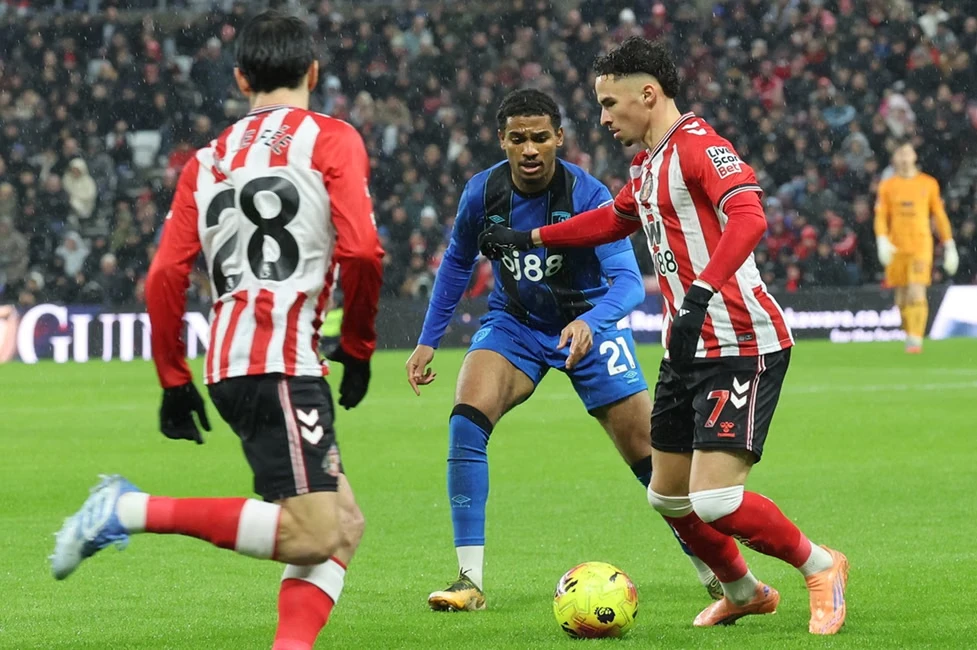
Sunderland head to Bournemouth for a Premier League clash on Saturday afternoon.
Bournemouth come into this one on a roll; they haven’t lost in seven league games, and they’ll want to keep that streak alive against Regis Le Bris’ Sunderland, who are dealing with a pile of injuries. The visitors are missing their main striker, Brian Brobbey, after he picked up a knock during last weekend’s 3-1 loss to Fulham. He’s out for at least a couple of weeks, maybe up to a month.
With Brobbey sidelined, Le Bris probably turns to either Isidor or Mayenda to lead the line. Bournemouth boss Andoni Iraola, speaking before the match, took a moment to talk about both players.
He said, “Both are quick, really fast. Isidor and Mayenda bring different things. Mayenda can play wider or as a second striker, while Isidor is more of a focal point up front. He started against us in the first game, too.
“Last season, Isidor was excellent for them. He’s a really good striker – strong, physical, and always a danger behind the defence. Mayenda’s got that threat too. He’s left-footed but still a real handful.
“Brobbey’s a different kind of threat, probably more dangerous in the box, stronger there. But Isidor and Mayenda? They’re serious problems because of their speed and athleticism. That’s the Premier League for you, always facing top strikers.”
Iraola also looked back at their last meeting, when Bournemouth let a two-goal lead slip and lost 3-2 at Sunderland. “That was one of the toughest results of the season,” he admitted. “We were playing in a tough place; they hadn’t lost at home at that point.
“We started really well, but after a penalty which I still don’t think was a penalty, they came back. Even then, we were ahead 2-1, but they turned the game around and punished us. Second half, two set pieces, a corner and a free kick, and that was it.
“We’ve got to handle those situations better this time because they’re dangerous, especially from set plays. Plus, they’ve got Granit Xhaka back now. He’s key for them, and you can tell when he’s not there. With him back, they’ll be stronger. But we need to be ready, and hopefully we put in a better first half than last time.”
FITNESS AT 40: THE SCIENTIFIC REASON JAMES MILNER STILL OUTRUNS PLAYERS HALF HIS AGE
James Milner breaks Gareth Barry’s record! Explore the 40-year-old's miracle recovery and his future at Brighton under Fabian Hurzeler.
When James Milner broke the Premier League appearance record last weekend, you could see how much it meant to him. Not just because of the number, but because, honestly, there was a time last season when it looked like he might never play again.
He’d limped off against Arsenal in August 2024. At first, people thought he’d be out for a few weeks, nothing serious. But things went sideways. A simple knee operation turned complicated, and six months later, he still couldn’t lift his foot or even wiggle his toes.
“Things change fast in football, especially at my age,” Milner said this week at Brighton’s training ground. He was sitting with a bunch of reporters, taking it all in. “Last year, I couldn’t lift my foot for six months. Most people – surgeons, physios, anyone who knew the injury – thought I was finished. I get it.”
Somehow, after nearly nine months of gruelling rehab, the 40-year-old came back. He stepped off the bench for Brighton in the closing minutes against Tottenham on the final day. That moment wasn’t just another appearance; it was the result of sheer stubbornness and a refusal to let his career end on someone else’s terms.
Last weekend, Milner made his 654th Premier League appearance, more than anyone else. Twenty-four seasons in a row. He’s a proper legend. There’s a photo of him at 16, making his debut for Leeds back in 2002-03. He played that match nearly three years before his current teammate, Jack Hinshelwood, was even born.
If anything sums Milner up, it’s that drive to prove people wrong. “That’s probably why I’m still playing,” he said. He only managed four appearances in 2024-25, but he wasn’t going to let injury decide when he stopped. “I wanted to prove I could come back, that I wouldn’t let my career finish in a way I couldn’t control. Not many thought I could return. But that pushed me.”
Milner passed Gareth Barry, his old England, Man City, and Aston Villa teammate, to take the record. He’s racked up 61 England caps and played for Leeds, Newcastle, Villa, City, Liverpool, and Brighton, and he even did a short loan at Swindon when he was 17.
You get why he’s so respected. When he hit the record, the tributes poured in. Fans from every club he’s played for had nothing but good to say about him. Milner joked his phone “blew up" with messages from all over, including Barry, who once convinced him to try yoga in the later years of his career.
At 40, Milner’s still in amazing shape. No grey hair, muscles straining under his training top. He laughs about how his ankles crack when he tries to sneak into his kids’ rooms at night. He’s genuinely funny, always quick with a self-deprecating joke.
That resilience, coming back from a career-threatening injury and pushing through doubts, has always been part of him. Even back when Graeme Souness, his manager at Newcastle, loaned him to Aston Villa, Souness said, “You won’t win the league with James Milners.” Souness didn’t last the season, and Milner went on to win three Premier League titles, two with City, one with Liverpool, and the Champions League.
Twenty-one managers, countless challenges, and still, that motivation to prove people wrong hasn’t faded. “There are always doubters, no matter what you do,” he said. He credits his dad, Peter, for that mindset. “You want to be the best, and proving people wrong has always been in my head.”
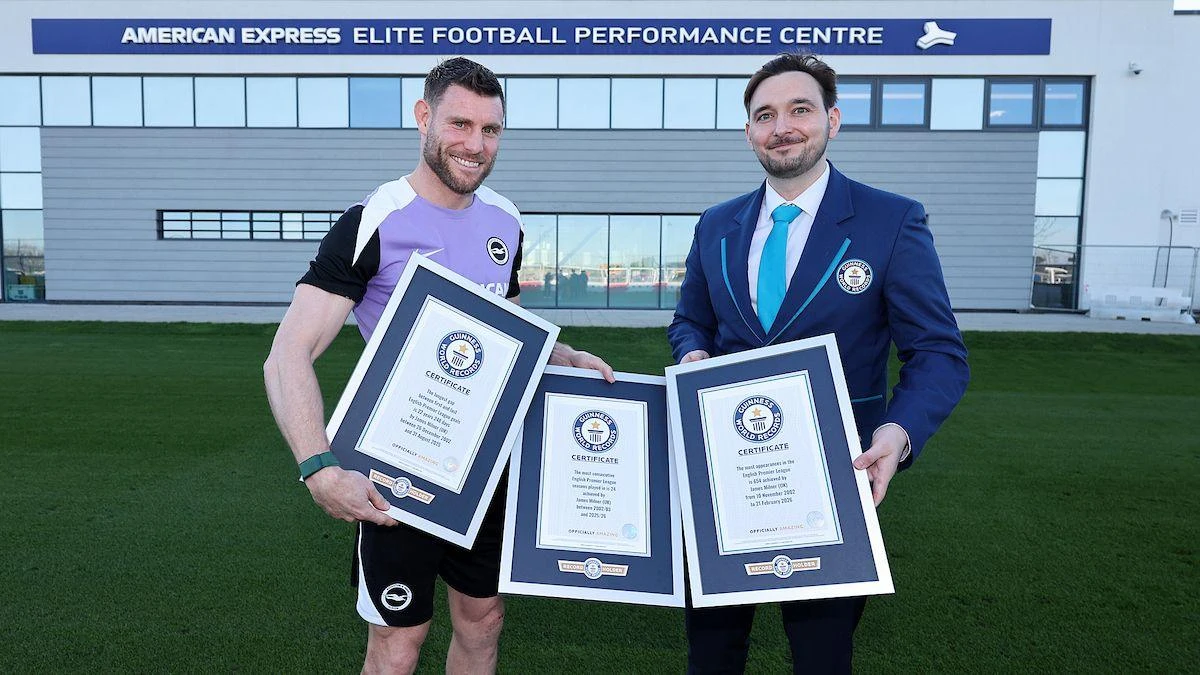
This week, Milner took home three Guinness World Records: most Premier League appearances (654), most consecutive seasons played (24), and the longest gap between first and last Premier League goals (22 years and 248 days). Not bad for a kid from Leeds who just wouldn’t quit.
James Milner has picked up three Premier League titles, even though plenty of people once doubted him. Now, at 40 years and 54 days old, he’s not done yet. He’s open to staying at Brighton for another season, and, honestly, he might even have his eye on breaking Teddy Sheringham’s record as the oldest outfield player in Premier League history. Sheringham was 40 years and 272 days old when he set that mark. Milner’s getting close.
His contract runs out this summer. Brighton’s new boss, Fabian Hurzeler, says he wants Milner to stick around for another year, but nothing’s official yet. So, what’s next? Nobody really knows, not even Milner.
“I’m very open to playing another year,” he says. “Whether I will or not, I’m not sure. I haven’t had any conversations with the club yet; they have to want me, too. Earlier in the season, I said, ‘Let’s get to February and see where we’re at.’ Well, we’re here now, so let’s see. For now, I’m just working every day, and, hopefully, the last few games showed I can still help out on the pitch.”
As for life after football, Milner’s not rushing into coaching. First, he wants to take a break, get some rest, and figure things out. He says he’s not worried about retiring, though he might miss the daily structure of football. Maybe he’ll run a few marathons just to keep pushing himself.
Looking back, Milner thinks his best season was at Aston Villa. But being there at the start of Manchester City’s rise and then helping bring Liverpool back to the top – those are the moments he’s proudest of.
Above all, Milner just feels lucky. “When I was younger, if we had a bad first half, you’d see teacups flying and people punching walls in the dressing room,” he says with a laugh. “Things have changed, but there’s a lot of good in the game now, too. I just feel fortunate that I’ve played through two different eras.”
It’d be a mistake to count Milner out. He’s still got plenty left.
Premier League Standings
Must Read

 Read More News